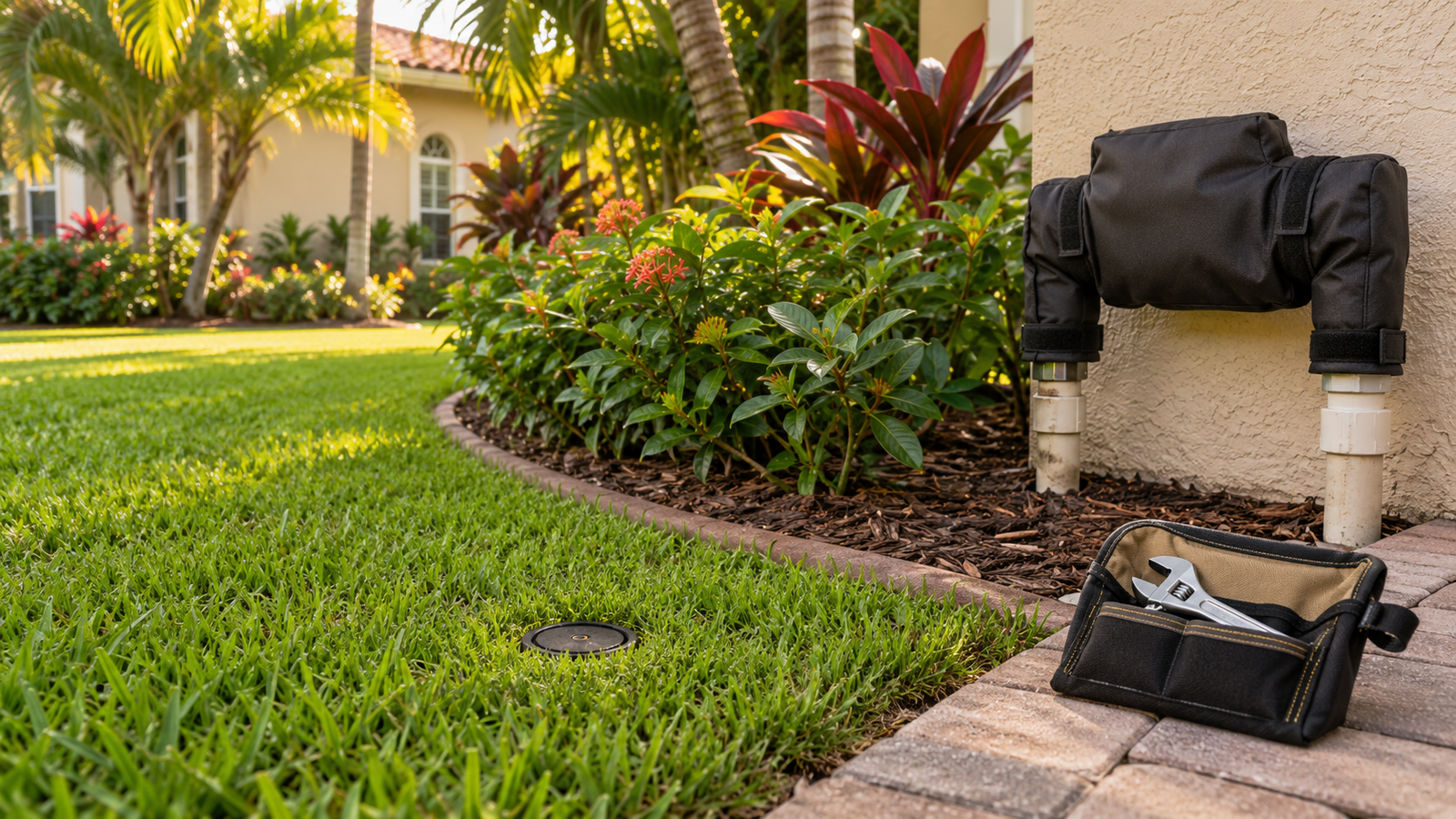
Fall in Palm Beach brings a different irrigation challenge than winter in colder regions. Homeowners may still need their sprinklers, but the watering schedule that worked through summer might no longer suit the landscape. Seasonal preparation should focus on changing plant needs, equipment condition, and any protection required during cold weather.
What Does Sprinkler Winterization Mean in South Florida?
The sprinkler winterization Florida properties need depends on location, equipment, and whether irrigation will remain active. A system in Palm Beach should be assessed differently from one exposed to prolonged freezing temperatures.
For many South Florida homeowners, fall preparation centers on inspecting equipment, correcting leaks, and adjusting watering to actual landscape demand. A complete shutdown should be based on the system’s requirements and expected conditions.
Think of sprinkler winterization Florida maintenance as a seasonal review. The goal is to keep the landscape appropriately watered while identifying vulnerable equipment before a problem develops.
Adjust Watering for Cooler Conditions
Leaving the controller on its summer schedule is an easy mistake. Cooler conditions can reduce landscape water demand, even when the yard still looks green. The South Florida Water Management District recommends irrigating to supplement rainfall and notes that lawns need less water during winter dormancy.
Effective sprinkler winterization Florida planning starts with observing the property. Check soil moisture, recent rainfall, sun exposure, and plant condition before changing settings.
Avoid applying the same adjustment to every zone. A sunny lawn, shaded planting bed, and newly established landscape may have different needs. Review watering frequency first, then determine whether individual zone run times also need adjustment.
Perform a Complete Sprinkler Wet Check
A wet check lets you observe each zone while it operates. During a sprinkler winterization Florida inspection, look for problems that may have developed during mowing, landscaping, or ordinary use.
Watch for:
- Heads spraying sidewalks, driveways, or walls.
- Broken, tilted, or buried sprinkler heads.
- Uneven spray patterns and blocked nozzles.
- Water pooling around equipment.
- Zones that fail to start or stop correctly.
- Areas that remain unusually wet after irrigation.
Record which zone has each issue. Photos and brief notes make it easier to explain concerns and confirm that repairs address the original problem.
Repair Leaks Before They Become Routine
A leaking sprinkler head or valve can be overlooked when the lawn appears healthy. However, persistent wet spots deserve attention, especially after watering has been reduced.
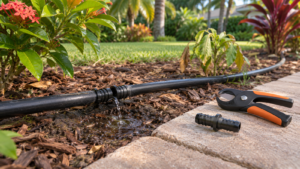
Leak diagnosis is an important part of sprinkler winterization Florida maintenance. The visible symptom may not reveal the cause. Water collecting beside a head could involve a damaged connection, drainage after shutdown, or a valve that is not closing properly.
Have the cause identified before replacing parts. After repairs, operate the affected zone again and check its performance. Simply reducing the controller’s run time will not resolve a mechanical leak.
Review the Controller and Rain Sensor
Check the controller’s date, clock, watering days, start times, and seasonal adjustment settings. Extra programs or duplicate start times can cause more watering than the homeowner intended.
During sprinkler winterization Florida service, review every active program rather than changing one setting and assuming the rest are correct. Confirm that zones correspond to the intended landscape areas.
Also check the rain sensor or other installed irrigation shutoff equipment. Weather-responsive controls need to function correctly to provide useful adjustments. If you have a smart controller, review its property information and settings instead of assuming that automatic operation eliminates the need for inspection.
Prepare Exposed Equipment for Cold Weather
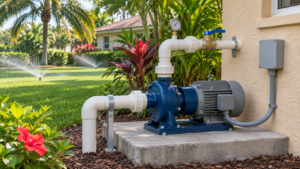
Inspect aboveground piping, valves, pump equipment, and backflow assemblies for damage or exposure. Their protection needs depend on installation, equipment instructions, and the forecast.
Cold-weather preparation should be specific to the property. UF/IFAS recommends protecting exposed piping from freezing and winterizing exterior seasonal plumbing where needed.
For sprinkler winterization Florida homeowners should ask an irrigation professional which components require attention and whether any equipment needs draining or shutdown. Follow manufacturer instructions for individual assemblies.
Do not improvise a compressed-air blowout or change backflow settings without appropriate guidance. The correct procedure depends on the equipment and system design.
Check Drip Irrigation and Landscape Beds
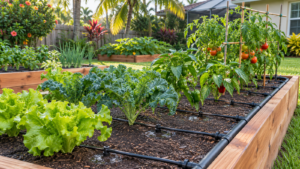
Fall preparation should include drip irrigation as well as lawn sprinklers. Tubing can shift, emitters can become obstructed, and fittings can loosen after landscape work.
A thorough sprinkler winterization Florida review should check whether water reaches the intended root areas. Look for disconnected tubing, damaged fittings, persistent leaks, and plants receiving uneven irrigation.
Review filters and pressure-regulating components according to manufacturer instructions. If beds have changed, the original emitter arrangement may no longer match the planting layout. New shrubs, removed plants, and expanded beds can all justify adjustments.
Check Local Watering Requirements
Your irrigation schedule needs to account for both landscape demand and current local watering requirements. A permitted watering day is an opportunity to irrigate when needed, not a requirement to run the system.
The South Florida Water Management District maintains year-round landscape irrigation restrictions, and homeowners should check the requirements applicable to their address and water source.
Keep this review separate from equipment maintenance. A properly repaired system can still waste water if it runs unnecessarily. Likewise, a suitable schedule cannot compensate for broken heads, leaking valves, or poor coverage.
Keep a Simple Seasonal Maintenance Record
Document controller changes, repairs, problem zones, and equipment recommendations. A short record helps you compare performance when conditions change again.
Useful notes include the inspection date, watering settings, recently repaired components, and areas requiring follow-up. Homeowners who travel seasonally should also leave clear instructions for the person monitoring the property.
Do not turn ordinary lawn sprinklers into an improvised frost-protection system. Using irrigation for freeze protection involves specific operating requirements and risks; UF/IFAS cautions that irrigation-based cold protection can damage plants when conditions or operation are unsuitable.
Plan Fall Irrigation Care With Bartram Outdoor
The right sprinkler winterization Florida approach begins with understanding the property. Review watering needs, inspect each zone, repair faults, and determine whether exposed equipment needs cold-weather protection.