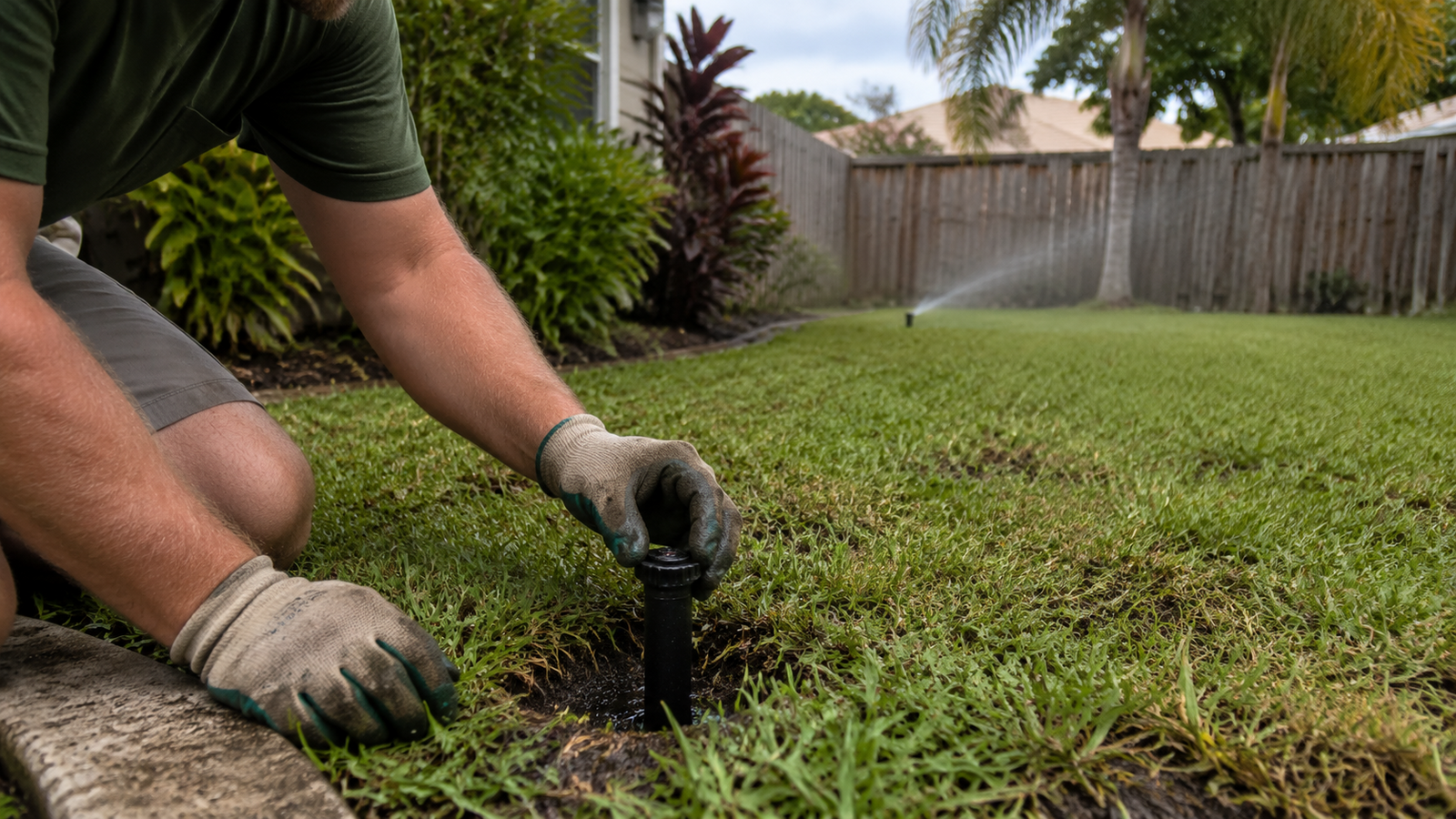
A well-designed sprinkler system makes it easier to maintain a healthy lawn and attractive landscaping throughout the year. However, Florida’s heat, heavy rainfall, sandy soil, plant growth, and frequent system use can gradually wear down irrigation components. Without routine care, small problems may develop into leaks, uneven coverage, water waste, and premature equipment failure.
What Affects Sprinkler System Lifespan Florida Homeowners Receive?
An irrigation system includes many connected components, including sprinkler heads, pipes, valves, wiring, controllers, sensors, and fittings. Each component can age at a different rate depending on system use, installation quality, soil conditions, water pressure, and exposure to the elements.
Common factors that can shorten the sprinkler system lifespan Florida properties experience include:
- Excessive or inconsistent water pressure
- Cracked or leaking underground pipes
- Clogged sprinkler nozzles
- Damaged or tilted sprinkler heads
- Faulty valves and electrical connections
- Outdated irrigation controllers
- Poor drainage around system components
- Tree root intrusion
- Damage caused by lawn equipment
- Improper watering schedules
Regular maintenance helps identify these conditions before they place additional strain on the rest of the irrigation system.
Regular Inspections Catch Problems Early
Many sprinkler problems begin small and may not be immediately visible. A minor underground leak, partially clogged nozzle, or weak electrical connection may continue affecting the system for weeks before the homeowner notices significant damage.
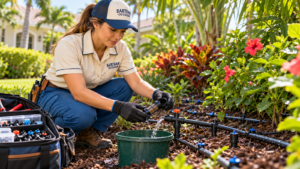
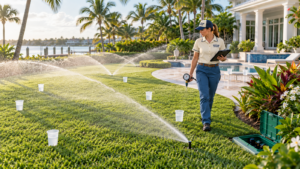
During a professional inspection, each irrigation zone can be activated and observed. The technician can check spray patterns, water pressure, sprinkler head operation, controller settings, valves, and other accessible components.
Finding problems early is one of the best ways to protect the sprinkler system lifespan Florida homeowners depend on. A small repair is usually easier to manage than damage that has been allowed to spread through multiple zones or components.
Cleaning Sprinkler Heads Improves Performance
Sprinkler nozzles can become clogged with soil, sand, grass clippings, mineral deposits, and other debris. A clogged head may produce a weak spray, an uneven pattern, or no water at all.
When one part of the lawn does not receive enough water, homeowners may increase the watering time for the entire system. This can overwater healthy areas while placing unnecessary demand on pumps, valves, pipes, and other components.
Cleaning clogged nozzles and replacing damaged heads improves water distribution. This simple maintenance step supports the sprinkler system lifespan Florida landscapes need while helping homeowners avoid excessive water use.
Proper Water Pressure Reduces System Strain
Water pressure has a major effect on irrigation system performance. Excessively high pressure can cause misting, leaks, damaged fittings, and premature wear. Low pressure can prevent sprinkler heads from rising completely or delivering the intended coverage.
Pressure problems may be caused by leaking pipes, damaged valves, clogged components, incorrect system design, or changes to the property’s water supply. Ignoring these problems can force the system to operate inefficiently and may shorten the service life of important components.
Testing and correcting pressure concerns can help protect the sprinkler system lifespan Florida homeowners receive from their irrigation investment.
Repairing Leaks Prevents Additional Damage
Not all irrigation leaks create an obvious puddle. Underground pipes and fittings can leak slowly, allowing water to soak into the surrounding soil. Warning signs may include unusually green patches of grass, muddy areas, low water pressure, higher water bills, or sprinkler zones that no longer work correctly.
Even a small leak wastes water and can worsen over time. Escaping water may erode soil, damage plant roots, or weaken nearby fittings. The system may also need to run longer to compensate for reduced pressure and coverage.
Prompt leak detection and repair preserve water, restore system performance, and extend the sprinkler system lifespan Florida homeowners want to maximize.
Adjusting Sprinkler Heads Prevents Uneven Coverage
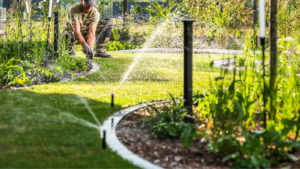
Sprinkler heads can shift because of settling soil, root growth, landscaping work, foot traffic, and lawn equipment. A head that tilts or sinks too low may water the sidewalk, driveway, building exterior, or only a small portion of the lawn.
Misaligned sprinkler heads create dry spots and unnecessary runoff. They may also encourage homeowners to extend irrigation cycles, which increases wear throughout the system.
Routine adjustments keep water directed toward the intended landscape areas. Correct spray patterns improve efficiency and support a longer sprinkler system lifespan Florida properties can benefit from.
Seasonal Controller Adjustments Reduce Unnecessary Use
Florida landscapes do not require the same amount of irrigation throughout the entire year. Temperature, rainfall, humidity, soil moisture, plant type, and local watering restrictions can all affect how frequently the system should run.
A controller that remains on the same schedule year-round may overwater during rainy periods or underwater during dry conditions. Excessive watering increases system use and can contribute to runoff, plant disease, and wasted water.
Updating the controller throughout the year reduces unnecessary operating cycles. Smart controllers and rain sensors can also help adapt watering schedules to current conditions. Better scheduling protects both your landscaping and the sprinkler system lifespan Florida homeowners expect.
Valve Maintenance Supports Reliable Irrigation Zones
Valves control the flow of water to each irrigation zone. When a valve becomes clogged, damaged, or worn, a zone may fail to start, continue running after the cycle ends, or receive inconsistent pressure.
A malfunctioning valve can waste large amounts of water and place strain on connected parts. Valve problems may also be mistaken for controller or sprinkler head failures.
Regular system testing can reveal valve issues before they become more serious. Cleaning, repairing, or replacing a faulty valve helps maintain dependable operation and contributes to the sprinkler system lifespan Florida irrigation systems should provide.
Protecting Sprinkler Heads from Lawn Equipment
Lawn mowers, string trimmers, vehicles, and landscaping tools are common sources of sprinkler damage. A cracked casing or broken nozzle may cause immediate water loss, while less visible impact damage may gradually worsen.
Keep grass and soil from covering the sprinkler heads, but avoid striking the components during routine lawn care. Landscape crews should know the locations of heads, valve boxes, and other irrigation equipment.
Installing heads at the appropriate height and replacing damaged protective components can reduce future problems. Preventing avoidable impact damage is an effective way to improve the sprinkler system lifespan Florida homes receive.
Maintenance Helps Lower Water Bills
An inefficient sprinkler system may use more water without improving the health of the landscape. Leaks, misting, overspray, faulty valves, and outdated watering schedules can all increase consumption.
Regular maintenance helps ensure that water reaches the correct areas in the correct amount. Efficient operation reduces unnecessary use and may help control monthly water expenses.
Lower water consumption also means the system does not have to work harder or longer than necessary. This reduced operating demand can support the sprinkler system lifespan Florida homeowners want to preserve.
How Often Should a Sprinkler System Be Inspected?
Homeowners should observe their sprinkler systems regularly and arrange a professional inspection at least once or twice per year. Additional inspections may be helpful after major storms, landscape renovations, excavation work, or noticeable changes in water pressure.
Watch for warning signs such as:
- Unusually high water bills
- Dry or oversaturated areas
- Sprinkler heads that do not rise
- Water spraying onto pavement
- Weak or inconsistent spray patterns
- Zones that will not start or stop
- Muddy areas near irrigation lines
- Damaged wiring or valve boxes
Responding quickly to these signs can prevent extensive repairs and protect the sprinkler system lifespan Florida properties depend on.
Schedule Sprinkler Maintenance with Bartram Outdoor
Routine sprinkler maintenance is an investment in your landscaping, water efficiency, and irrigation equipment. Cleaning nozzles, repairing leaks, correcting pressure, adjusting heads, testing valves, and updating controller settings can prevent minor issues from becoming expensive failures.
Bartram Outdoor provides professional sprinkler inspection, maintenance, and repair services throughout Palm Beach County and Florida’s Space Coast. We can evaluate your system, identify performance problems, and recommend practical improvements based on your property’s needs.