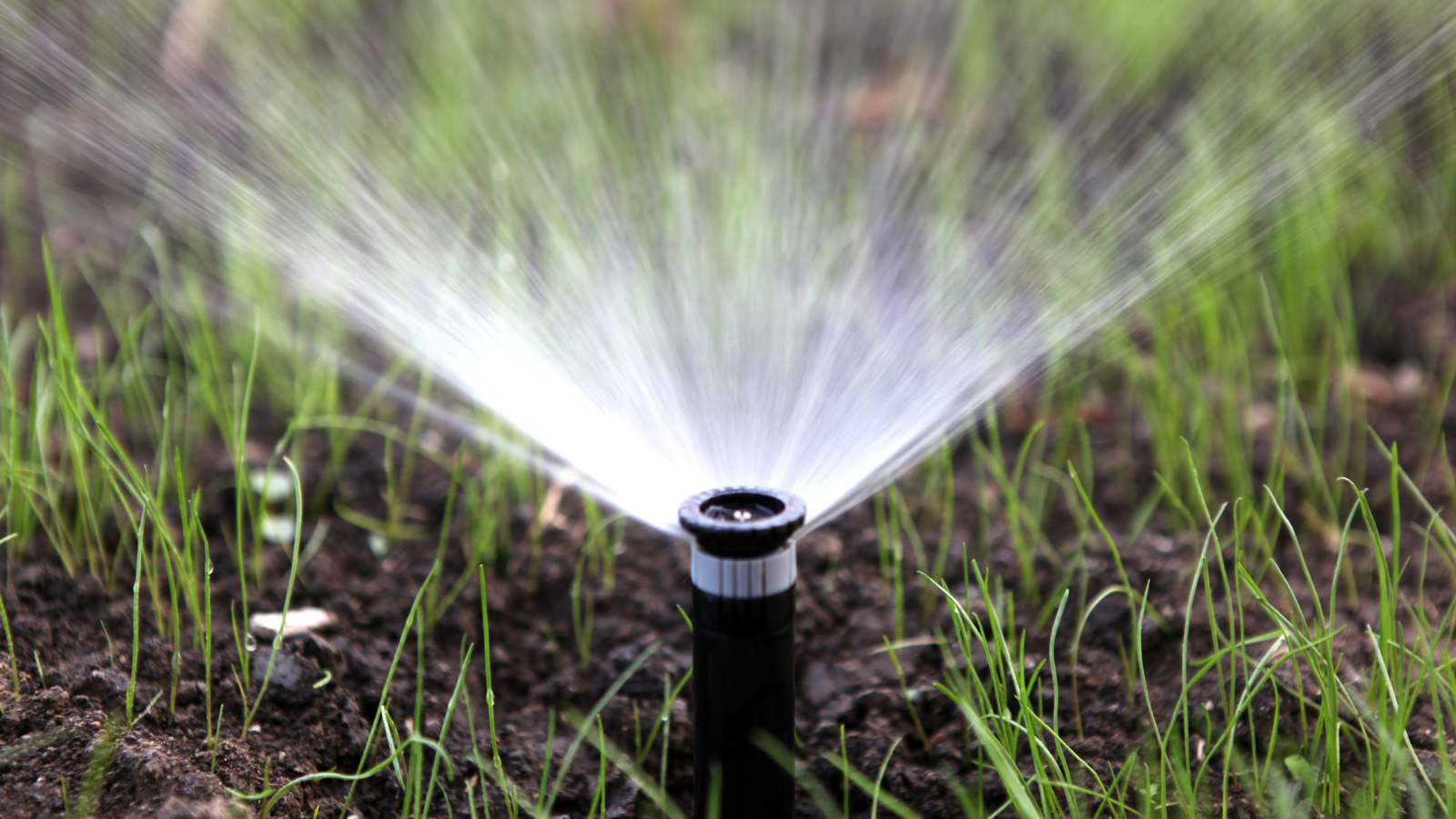
Florida homeowners need reliable irrigation to keep landscapes healthy through periods of intense heat, limited rainfall, and changing seasonal conditions. However, traditional watering methods can lose significant amounts of water through evaporation, wind, runoff, and overspray. Drip irrigation offers a more targeted way to deliver moisture directly to plants.
Understanding how drip irrigation works can help you decide whether it is a suitable option for your South Florida landscape.
What Is a Drip Irrigation System?
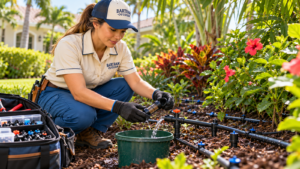
Drip irrigation is a low-volume watering method that slowly delivers water near the root zones of plants. Instead of spraying water over a large area, the system uses tubing, emitters, connectors, filters, and pressure-regulating components to apply precise amounts of moisture.
Emitters can be positioned near individual plants or installed at regular intervals along drip tubing. The system may be divided into zones based on plant type, soil condition, sun exposure, and watering requirements.
A professionally planned water conservation drip irrigation system provides plants with the moisture they need without saturating areas that do not require watering.
How Drip Irrigation Conserves Water
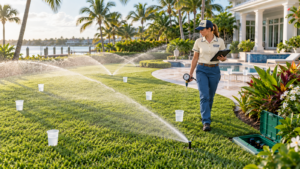
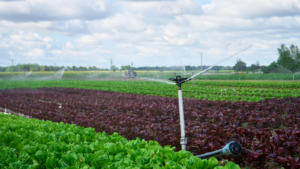
Traditional spray heads distribute water through the air. Wind can carry droplets away from the intended area, while heat may cause some water to evaporate before it reaches the soil.
Drip irrigation applies water slowly and close to the ground. This targeted application allows more moisture to enter the soil around plant roots. It can also reduce runoff on slopes, paved areas, and compacted soil.
The primary goal of water conservation drip irrigation is not simply to use less water. It is to use water more effectively by placing the correct amount where plants can benefit from it.
Reduced Water Loss From Evaporation
Evaporation is a common source of irrigation water loss, especially during Florida’s warm and sunny conditions. Sprinklers that operate during hot or windy periods may lose some of their water before it reaches the landscape.
Drip emitters release water beneath or near plant foliage, reducing exposure to moving air and direct sunlight. Moisture enters the soil gradually instead of remaining on leaves or being dispersed into the atmosphere.
This makes water conservation drip irrigation particularly useful for mulched flower beds, vegetable gardens, foundation plantings, and rows of shrubs.
Less Overspray on Sidewalks and Driveways
Misaligned or poorly selected sprinkler heads can spray sidewalks, driveways, fences, walls, and streets. Water that lands on these surfaces does not benefit the landscape and may flow into storm drains.
Drip irrigation tubing can follow the shape of a planting bed and deliver moisture only where vegetation is growing. Proper installation helps prevent water from reaching paved surfaces.
By limiting overspray, a water conservation drip irrigation system can keep hardscapes drier while directing more of the available water toward plants.
Better Control of Runoff
When water is applied faster than the soil can absorb it, runoff may develop. This can happen in compacted soil, sloped planting areas, or beds with poor drainage.
Because drip irrigation releases water at a slower rate, the soil has more time to absorb moisture. This may reduce pooling and prevent water from carrying soil, mulch, and landscaping products away from the intended area.
A successful water conservation drip irrigation design must consider soil type and emitter flow rates. Sandy soil generally absorbs and distributes water differently than soil containing more clay or organic material.
Healthier Plant Root Development
Deep, consistent watering encourages roots to grow into the soil in search of moisture. Frequent shallow watering may create roots that remain close to the surface, where they are more vulnerable to heat and dry conditions.
Drip irrigation can provide controlled watering directly around the root zone. When the schedule and emitter placement are appropriate, plants receive more consistent moisture without having the entire surrounding area saturated.
The plant-health benefits of water conservation drip irrigation may include stronger root development, less moisture stress, and more efficient use of water and nutrients.
Fewer Weeds in Landscape Beds
Conventional sprinklers often water both desirable plants and the open spaces between them. This can encourage weeds to grow throughout landscape beds.
Drip irrigation focuses water closer to selected plants. Areas without emitters typically receive less irrigation, which may reduce the moisture available for weed seeds to germinate.
Although no irrigation system can eliminate weeds completely, water conservation drip irrigation can make landscape beds easier to manage by avoiding unnecessary watering between plants.
Reduced Risk of Plant Disease
Spray irrigation can leave leaves wet for extended periods, particularly when the system runs at night or early in humid conditions. Persistent leaf moisture may contribute to certain fungal and bacterial problems.
Drip irrigation waters the soil instead of repeatedly covering plant foliage. Keeping leaves drier may help reduce conditions that encourage some plant diseases.
A carefully managed water conservation drip irrigation system can therefore support both efficient water use and healthier growing conditions. However, homeowners should continue to monitor plants for disease, pests, and drainage problems.
Lower Monthly Water Use
Because drip irrigation reduces evaporation, runoff, and overspray, it may lower the amount of water needed to maintain certain landscape areas. Actual savings depend on the system design, plant selection, soil, weather, maintenance, and watering schedule.
Installing drip tubing alone does not guarantee lower water use. A controller that runs too frequently or emitters with excessive flow rates can still waste water.
To achieve the best results, water conservation drip irrigation should combine suitable equipment with proper scheduling and regular inspections.
Where Drip Irrigation Works Best
Drip irrigation can be an effective option for many residential landscape areas, including:
- Flower beds
- Vegetable and herb gardens
- Shrubs and hedges
- Trees and palms
- Foundation plantings
- Raised garden beds
- Planters and containers
- Narrow landscape strips
- Sloped planting areas
- Areas where overspray must be avoided
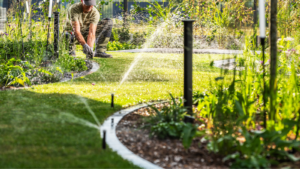
Traditional spray heads may still be more appropriate for certain lawn areas. Many properties benefit from a combined system that uses sprinklers for turf and drip irrigation for beds, shrubs, and individual plants.
A professional can evaluate where water conservation drip irrigation will provide the greatest benefit without compromising plant coverage.
The Importance of Proper System Design
Effective drip irrigation requires more than placing tubing around plants. The system must account for water pressure, filtration, emitter spacing, plant requirements, and irrigation-zone design.
Excessive pressure can damage fittings or cause emitters to release water unevenly. Insufficient pressure may prevent water from reaching the ends of longer tubing runs. Filters help stop small particles from clogging emitters, while pressure regulators keep water moving at a suitable rate.
Plants with very different watering requirements should not be placed in the same zone whenever possible. Grouping plants with similar needs makes the system easier to schedule and reduces the risk of overwatering or underwatering.
Drip Irrigation Maintenance Tips
A drip system requires routine maintenance to remain efficient. Small emitters and narrow passageways can become clogged by sediment, mineral buildup, soil, or insects.
Homeowners should periodically:
- Inspect tubing for cuts, leaks, and loose fittings.
- Check emitters for inconsistent flow.
- Flush drip lines when necessary.
- Clean or replace clogged filters.
- Confirm that pressure regulators are working.
- Reposition emitters as plants grow.
- Adjust the watering schedule for seasonal conditions.
- Check for tubing damaged by lawn equipment or animals.
- Make sure mulch is not interfering with water distribution.
Maintenance protects the performance of a water conservation drip irrigation system and helps ensure that each plant continues receiving appropriate coverage.
Smart Controllers and Drip Irrigation
A smart irrigation controller can make drip watering even more efficient. Depending on the system, a controller may adjust schedules using weather information, seasonal conditions, or soil-moisture data.
Rain sensors can prevent irrigation from operating during or shortly after sufficient rainfall. Flow monitoring may also help identify unusual water use caused by a broken tube or failed connection.
Technology is most effective when the irrigation system has been designed and programmed correctly. Controllers, sensors, and valves should be inspected regularly to confirm that they are communicating and operating as intended.
Is Drip Irrigation Right for Your Property?
Drip irrigation is not the ideal solution for every part of every landscape. Its suitability depends on the plants, property layout, existing irrigation equipment, water pressure, soil, and maintenance expectations.
For many Palm Beach County and Space Coast homeowners, a water conservation drip irrigation system works well in landscape beds and gardens where precise watering is especially valuable. An irrigation assessment can identify areas where drip lines could replace inefficient spray coverage or complement an existing sprinkler system.
Schedule Drip Irrigation Service With Bartram Outdoor
Conserving water does not mean allowing your landscaping to become dry or unhealthy. It means delivering moisture efficiently, minimizing waste, and adjusting irrigation to the actual needs of your plants.
At Bartram Outdoor, we help homeowners throughout Palm Beach County and Florida’s Space Coast create irrigation plans suited to their landscapes. Our team can evaluate existing coverage, identify inefficient watering areas, and recommend appropriate drip irrigation options.