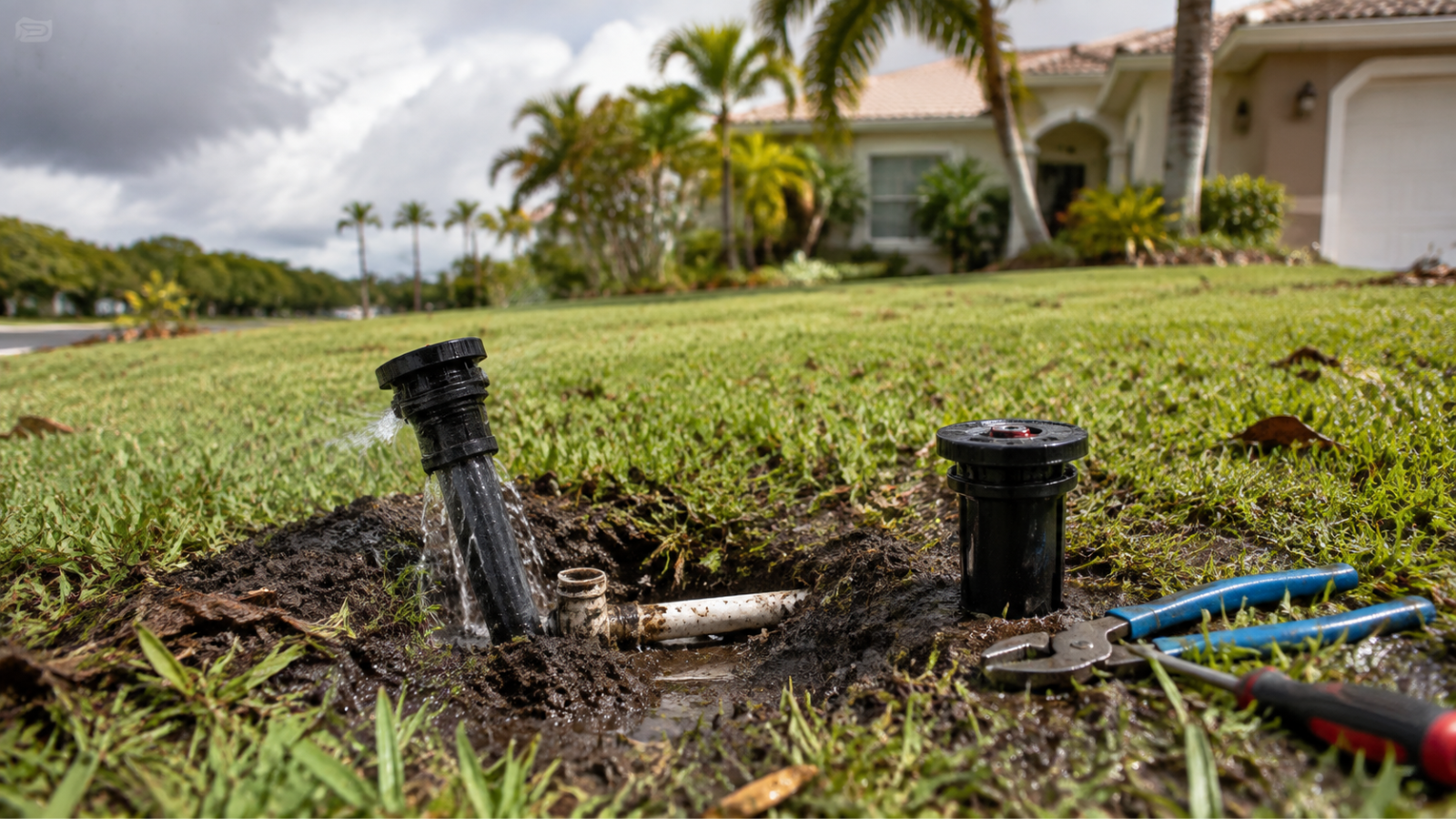
Hurricanes can leave behind fallen branches, flooded lawns, damaged landscaping, and hidden irrigation problems. Underground pipes may crack, sprinkler heads can shift, valves may fill with debris, and electrical controls can be affected by moisture or power surges. For Palm Beach homeowners, timely hurricane sprinkler damage repair can prevent water waste, protect plants, and stop a minor problem from becoming a costly leak.
Begin Hurricane Sprinkler Damage Repair with Safety
Do not activate the irrigation system immediately after a hurricane. First, walk around the property and look for downed power lines, broken glass, unstable trees, displaced utility covers, and deep standing water. Never enter a flooded area to inspect a controller, pump, or valve box.
If the controller, outdoor outlet, pump, or visible wiring is wet or damaged, leave the power off. Electrical components should be evaluated before operation resumes. Safe hurricane sprinkler damage repair begins by protecting people and preventing electrical shock or additional equipment damage.
Inspect Sprinkler Heads and Exposed Components
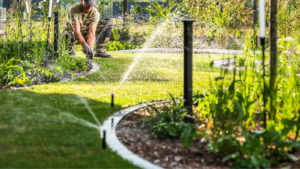
Once the property is safe, check each part of the yard. Look for sprinkler heads that are broken, tilted, buried, missing, or surrounded by eroded soil. Heavy rain can wash away the ground supporting a head, while falling branches and cleanup equipment can crack exposed parts.
Mark damaged areas for later testing. Do not simply force a tilted sprinkler upright because the fitting or underground pipe may also be cracked. Effective hurricane sprinkler damage repair addresses the hidden connection as well as the visible head.
Examine the Irrigation Controller
Check the controller for a blank screen, error messages, incorrect time settings, lost schedules, corrosion, or moisture inside the enclosure. A power interruption can reset programmed watering days, start times, or seasonal adjustments. A surge can damage internal electronics even when the outside looks normal.
Replace the backup battery if necessary, but avoid opening or repairing wet electrical equipment. Professional hurricane sprinkler damage repair may include testing the controller, transformer, rain sensor, pump controls, and underground wiring for storm-related faults.
Test One Irrigation Zone at a Time
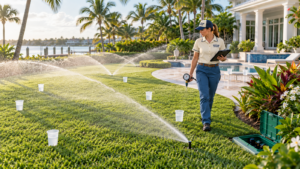
After the property and electrical equipment are safe, perform a short manual test. Run one zone at a time and observe it from beginning to end. This makes it easier to locate a leak, wiring fault, blocked nozzle, or pressure problem.
Watch for heads that fail to rise, water bubbling from the soil, unusually high fountains, weak spray, or zones that will not turn off. Note each affected zone and take photos. These details can help a hurricane sprinkler damage repair technician diagnose problems more efficiently.
Look for Hidden Pipe Leaks
Some cracked pipes create obvious spraying water, but smaller breaks can remain underground. Warning signs include soft soil, persistent puddles, erosion, fungal growth, low pressure, or an unexpected increase in water use. Listen for running water after a zone stops and check whether wet areas continue expanding.
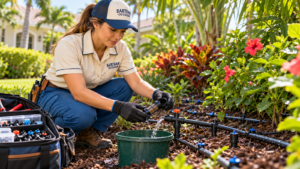
Strong winds may shift tree roots and place pressure on nearby irrigation lines. Trucks and equipment used for debris cleanup can also damage shallow pipes. Professional hurricane sprinkler damage repair may involve pressure testing and targeted excavation to locate concealed breaks without disturbing the entire yard.
Check Valves, Pumps, and Backflow Devices
Valve boxes often collect stormwater and sediment. Too much debris can interfere with wiring connections, solenoids, and normal valve movement. A valve stuck open may cause continuous watering, while one that fails to open can leave an entire lawn or planting bed dry.
Irrigation pumps should be checked for loss of prime, clogged intake parts, damaged wiring, and unusual sounds. Backflow devices also deserve careful inspection because they help protect the water supply. These important components should be included in a complete hurricane sprinkler damage repair assessment.
Recheck Coverage After Landscape Changes
A hurricane can change the shape of your landscape. Trees may be removed, shrubs can lose branches, mulch may wash away, and soil levels can shift. Even when the irrigation system still runs, its original spray pattern may no longer provide proper coverage.
Run each zone during daylight and look for dry areas, blocked streams, overspray, and water striking the home. Heads may need to be straightened, raised, lowered, or redirected. Quality hurricane sprinkler damage repair restores balanced watering rather than merely making water flow again.
Adjust the Watering Schedule
South Florida soil is often saturated after a major storm. Returning to the normal schedule too quickly can contribute to runoff, fungus, root stress, and unnecessary water use. Use the rain-delay setting when appropriate and wait until the soil has drained before regular watering resumes.
Review the time, date, watering days, and zone durations once conditions improve. Lawn and garden areas may recover at different rates. Smart schedule adjustments are part of hurricane sprinkler damage repair because repaired equipment should operate according to current landscape needs.
Know When to Call a Professional
Homeowners can complete basic visual checks, but electrical damage, underground leaks, pump failure, major pressure loss, persistent valve trouble, and backflow concerns require professional attention. You should also request service when multiple zones behave unpredictably or water continues running after the controller shuts down.
A trained irrigation technician can isolate damaged areas, test components, select compatible replacement parts, and verify efficient coverage. Prompt hurricane sprinkler damage repair helps limit wasted water and protects the lawn, planting beds, hardscaping, and surrounding property.
Schedule Service with Bartram Outdoor
Irrigation damage can be easy to overlook when a hurricane creates more visible repair needs. However, broken pipes, damaged controls, and malfunctioning valves can waste water and threaten the health of your landscape. A systematic inspection can reveal both obvious and hidden problems.