Choosing the right irrigation method for your Florida garden can significantly impact your plants’ health, water bills, and maintenance requirements. The drip irrigation vs sprinklers Florida debate continues among homeowners who want the most efficient, cost-effective watering solution for their unique landscape needs. At Bartram Outdoor, we’ve installed both systems across Palm Beach County for decades, and we understand that the best choice depends on your specific garden type, plant selection, and long-term goals.
Understanding the drip irrigation vs sprinklers Florida comparison helps you make informed decisions that protect your landscape investment while conserving water in our increasingly regulated environment. Let’s explore the advantages and limitations of each system to determine which approach works best for different Florida gardening situations.
Understanding Drip Irrigation Systems
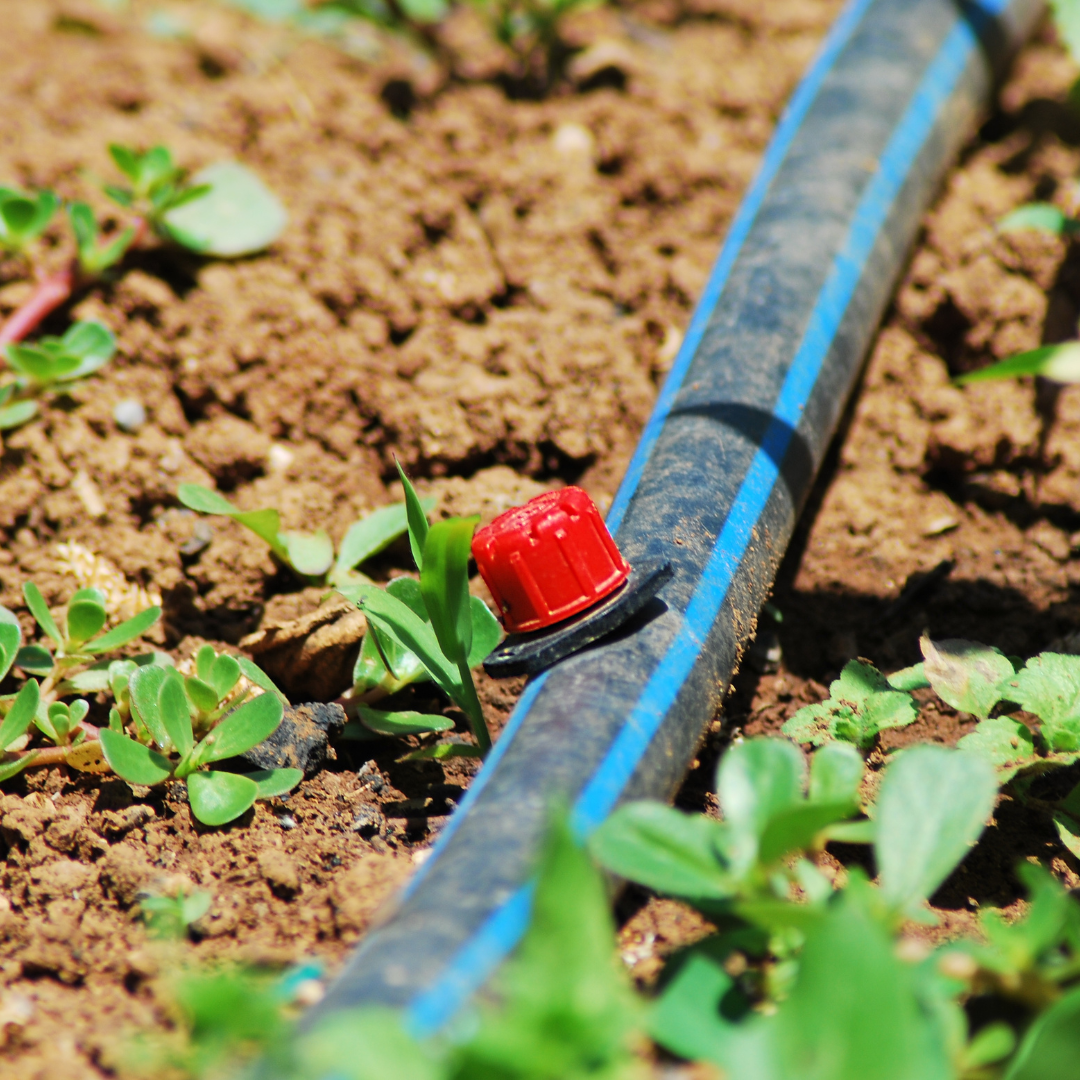
Drip irrigation delivers water directly to plant root zones through a network of tubes, emitters, and micro-sprayers that apply water slowly and precisely. This method has gained popularity in Florida as water conservation becomes increasingly important and utility costs continue rising.
How drip systems work in Florida gardens:
- Water flows through main supply lines to individual plant zones
- Emitters release water at controlled rates, typically 0.5-4 gallons per hour
- Pressure compensating emitters maintain consistent flow despite elevation changes
- Timers control watering duration and frequency for optimal plant health
The drip irrigation vs sprinklers Florida efficiency comparison strongly favors drip systems for water conservation. Drip irrigation uses 30-50% less water than traditional sprinklers because it eliminates evaporation, wind drift, and overspray that commonly occur with overhead watering methods.
Drip irrigation excels in specific Florida applications:
- Vegetable gardens where precise watering improves yields
- Flower beds with mixed plant types requiring different water amounts
- Foundation plantings where overhead watering might damage buildings
- Slope areas where sprinklers cause erosion and runoff
- Areas with irregular shapes that challenge sprinkler coverage
Florida’s sandy soils particularly benefit from drip irrigation’s slow water application. Rather than running off or percolating too quickly past root zones, drip systems allow water to penetrate soil gradually and reach optimal depths for plant uptake.
Traditional Sprinkler System Benefits
Sprinkler systems remain the preferred choice for many Florida applications, particularly large lawn areas and landscapes requiring broad coverage. When comparing drip irrigation vs sprinklers Florida installation costs, sprinklers often provide more economical solutions for extensive turf areas.
Sprinkler advantages in Florida landscapes include:
- Uniform coverage across large lawn areas
- Efficient installation for expansive properties
- Proven performance in Florida’s challenging climate
- Ability to handle diverse plant types within single zones
- Lower upfront costs for large coverage areas
Modern sprinkler technology has evolved significantly, offering improved efficiency through smart controllers, weather sensors, and high-efficiency nozzles that reduce water waste. When properly designed and maintained, quality sprinkler systems can achieve 70-80% efficiency rates that narrow the drip irrigation vs sprinklers Florida water conservation gap considerably.
Sprinklers work best for:
- Large turf areas requiring uniform coverage
- Mixed landscapes with trees, shrubs, and grass
- Properties where aesthetic appearance prioritizes convenience
- Areas requiring quick installation with immediate full coverage
- Landscapes with mature plantings requiring established watering patterns
Florida’s frequent afternoon thunderstorms complement sprinkler irrigation schedules, allowing systems to operate during early morning hours when wind speeds are minimal and evaporation rates are lowest.
Water Conservation and Efficiency Analysis
The drip irrigation vs sprinklers Florida water conservation debate often determines system selection as environmental awareness and utility costs increase. Understanding real-world efficiency differences helps homeowners make informed decisions based on actual performance rather than marketing claims.
Drip irrigation efficiency advantages:
- 90-95% application efficiency with minimal waste
- Precise water placement directly at root zones
- Elimination of evaporation and wind drift losses
- Reduced weed growth between plants due to targeted watering
- Lower water pressure requirements reducing pump energy costs
Sprinkler system efficiency factors:
- 60-80% efficiency with proper design and maintenance
- Higher water pressure requirements increasing energy costs
- Potential for overspray onto hardscapes and buildings
- Wind sensitivity affecting coverage uniformity
- Evaporation losses during hot, windy conditions
However, the drip irrigation vs sprinklers Florida efficiency comparison must consider maintenance requirements that affect long-term performance. Drip systems require more frequent cleaning and emitter replacement in Florida’s mineral-rich water conditions, while sprinklers need periodic head adjustment and seasonal programming updates.
Real-world water usage data from our Palm Beach County installations:
- Drip irrigation: 0.5-1.5 inches per week for most garden plants
- Sprinkler systems: 1.0-2.5 inches per week for equivalent plant health
- Combined systems: Optimal efficiency using each method where most appropriate
Florida-Specific Climate Considerations
Florida’s unique climate significantly impacts the drip irrigation vs sprinklers Florida performance comparison. Our subtropical environment presents challenges and opportunities that influence system effectiveness throughout the year.
Summer challenges affecting both systems:
- Intense heat requiring increased watering frequency
- Afternoon thunderstorms that can disrupt scheduled irrigation
- High humidity promoting fungal diseases with excessive overhead watering
- UV exposure degrading plastic components over time
Drip irrigation performs better during Florida summers because it reduces leaf wetness that promotes disease problems common in humid conditions. Plants receive consistent root zone moisture without the overhead watering that can encourage fungal issues in susceptible species.
Winter considerations for system performance:
- Occasional freezing temperatures requiring system protection
- Reduced plant water needs during dormant periods
- Increased rainfall reducing irrigation requirements
- Maintenance access for cleaning and repairs
The drip irrigation vs sprinklers Florida winter performance comparison favors drip systems for easier winterization and protection. Drip lines can be drained more completely and covered for freeze protection, while sprinkler systems require more extensive winterization procedures.
Installation Costs and Long-Term Value
Understanding the drip irrigation vs sprinklers Florida cost comparison requires evaluating both initial installation expenses and long-term operational costs. While upfront costs vary significantly, long-term value depends on water savings, maintenance requirements, and system longevity.
Drip irrigation installation costs:
- $1.50-3.00 per square foot for garden beds
- Higher material costs due to numerous small components
- More labor-intensive installation requiring precise emitter placement
- Additional filtration requirements for Florida’s mineral-rich water
Sprinkler system installation costs:
- $0.75-2.00 per square foot for large areas
- Lower material costs with fewer components
- Faster installation for large coverage areas
- Standard filtration adequate for most applications
However, the drip irrigation vs sprinklers Florida long-term cost analysis often favors drip systems due to water savings that offset higher installation costs. Properties using drip irrigation typically see 30-50% reductions in irrigation water usage, translating to significant monthly savings over system lifespans.
Long-term operational considerations:
- Drip systems: Higher maintenance frequency, lower water costs
- Sprinklers: Lower maintenance needs, higher water usage
- Both systems: Professional maintenance extends lifespan and efficiency
Hybrid Approaches: Combining Both Systems
Many Florida properties benefit from hybrid irrigation designs that use both drip and sprinkler systems where each performs best. The drip irrigation vs sprinklers Florida debate often resolves into strategic combinations that maximize efficiency and plant health.
Optimal hybrid system design:
- Sprinklers for large turf areas requiring uniform coverage
- Drip irrigation for garden beds, foundation plantings, and vegetable gardens
- Separate irrigation zones allowing independent control
- Smart controllers managing both systems efficiently
This approach eliminates the need to choose between drip irrigation vs sprinklers Florida options by utilizing each system’s strengths while minimizing weaknesses. Hybrid designs often provide the best long-term value and landscape performance.
Making the Right Choice for Your Florida Garden
The drip irrigation vs sprinklers Florida decision ultimately depends on your specific landscape needs, budget considerations, and long-term goals. Consider these factors when evaluating options:
Choose drip irrigation when:
- Water conservation is a primary concern
- Garden beds contain diverse plant types with varying water needs
- Slopes or irregular areas challenge sprinkler coverage
- Precise watering control is essential for plant health
Choose sprinklers when:
- Large turf areas require uniform coverage
- Initial installation costs must be minimized
- Maintenance convenience is prioritized
- Existing landscape design favors overhead watering
Consider hybrid systems when:
- Property includes both large lawn areas and specialized garden beds
- Maximum efficiency is desired across diverse plant types
- Budget allows for optimized system design
- Long-term water savings justify higher installation costs
Expert Installation and Design
At Bartram Outdoor, we help Palm Beach County homeowners navigate the drip irrigation vs sprinklers Florida decision through comprehensive site analysis and customized design recommendations. Our experience with both systems ensures you receive honest advice based on your specific needs rather than one-size-fits-all solutions.
We follow the Owen Standard of excellence in every installation, taking ownership of system performance, working as a unified team to solve challenges, building trust through transparent communication, delivering excellence in every detail, and showing resilience when unexpected issues arise.
Ready to determine the best irrigation solution for your Florida garden. Contact Bartram Outdoor today for a free consultation and customized recommendation based on your landscape needs, budget, and long-term goals. Let us help you create the efficient, effective watering system your garden deserves.
FAQs
1. Is drip irrigation better than sprinklers for Florida gardens?
Drip is better for garden beds and slopes because it delivers water to roots, saving 30-50% more water. Sprinklers remain superior for uniform coverage across large turf and lawn areas.
2. Can I use both drip and sprinkler systems on one property?
Yes. Hybrid systems are ideal. We use sprinklers for grass and drip lines for flower beds or foundation plants. This strategy maximizes water efficiency while keeping your entire landscape healthy.
3. How does Florida’s climate affect my irrigation choice?
Florida’s humidity favors drip irrigation in gardens as it keeps foliage dry, preventing fungal diseases. Sprinklers are effective for lawns but suffer from high evaporation during hot summer afternoons.
4. Which system is more cost-effective in the long run?
While drip systems may have higher installation costs, they offer better long-term value through significant water bill savings. Sprinklers are cheaper to install initially but use more water over time.
5. What maintenance do drip systems need in Florida?
Florida’s mineral-rich water can clog emitters. Drip systems require regular filter cleaning and emitter checks, whereas sprinklers need periodic head adjustments and seasonal timer updates for compliance.